API Design Principles
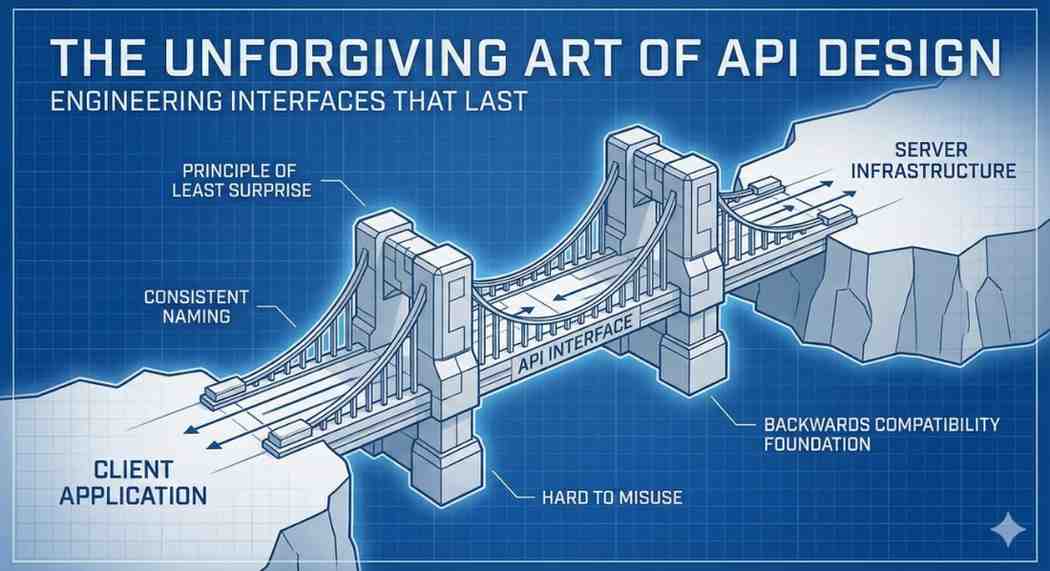
If you write code, you are an API designer. Whether you are exposing a RESTful service to the world or simply writing a helper class for a colleague three desks away, you are creating an interface ...
If you write code, you are an API designer. Whether you are exposing a RESTful service to the world or simply writing a helper class for a colleague three desks away, you are creating an interface ...
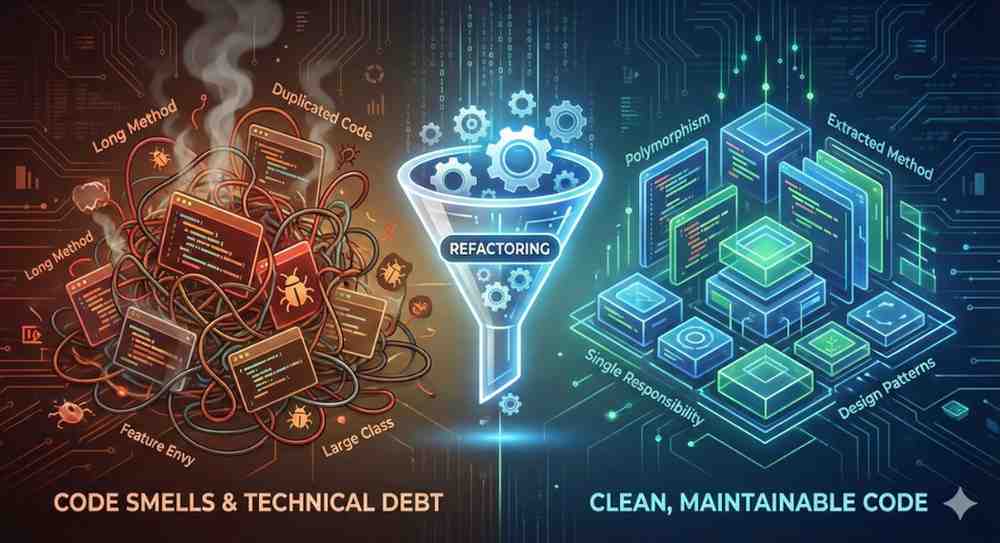
In software engineering, code is read far more often than it is written. Over time, as features are added and deadlines loom, the internal design of a software system tends to decay. This is where ...
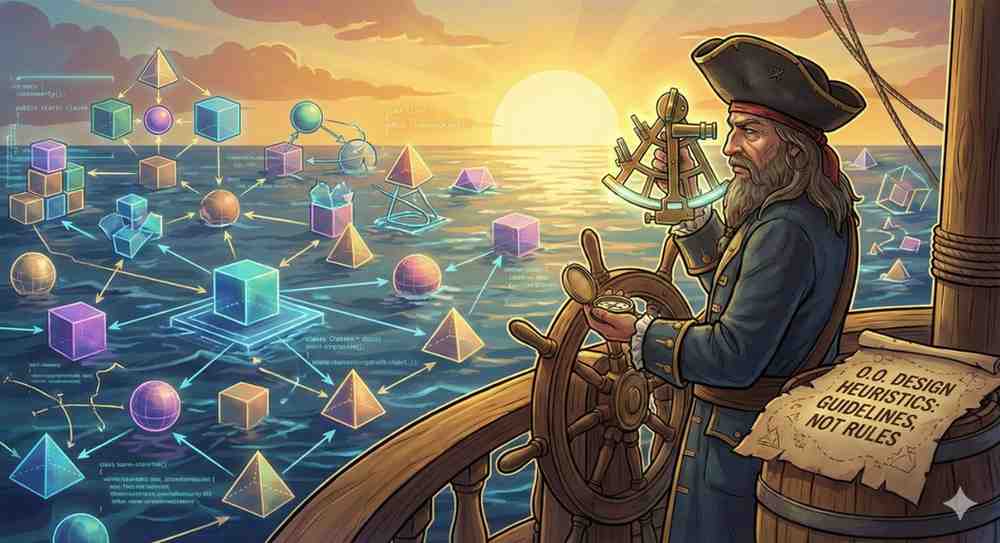
Software design is rarely a binary choice between correct and incorrect. Rather, it involves navigating trade-offs to achieve maintainability and flexibility. While strict rules can be rigid, desig...
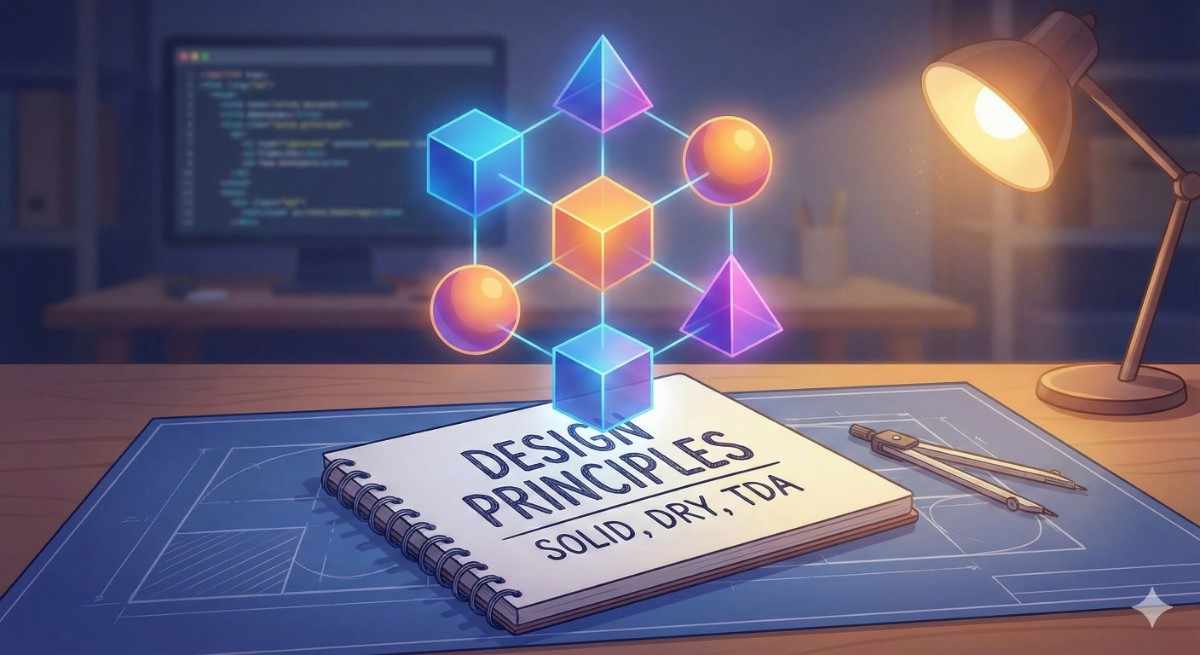
You write a feature, it works perfectly, and you deploy it. Two months later, a simple requirement change comes in, and suddenly you’re rewriting half the application. Why? Because while the code w...
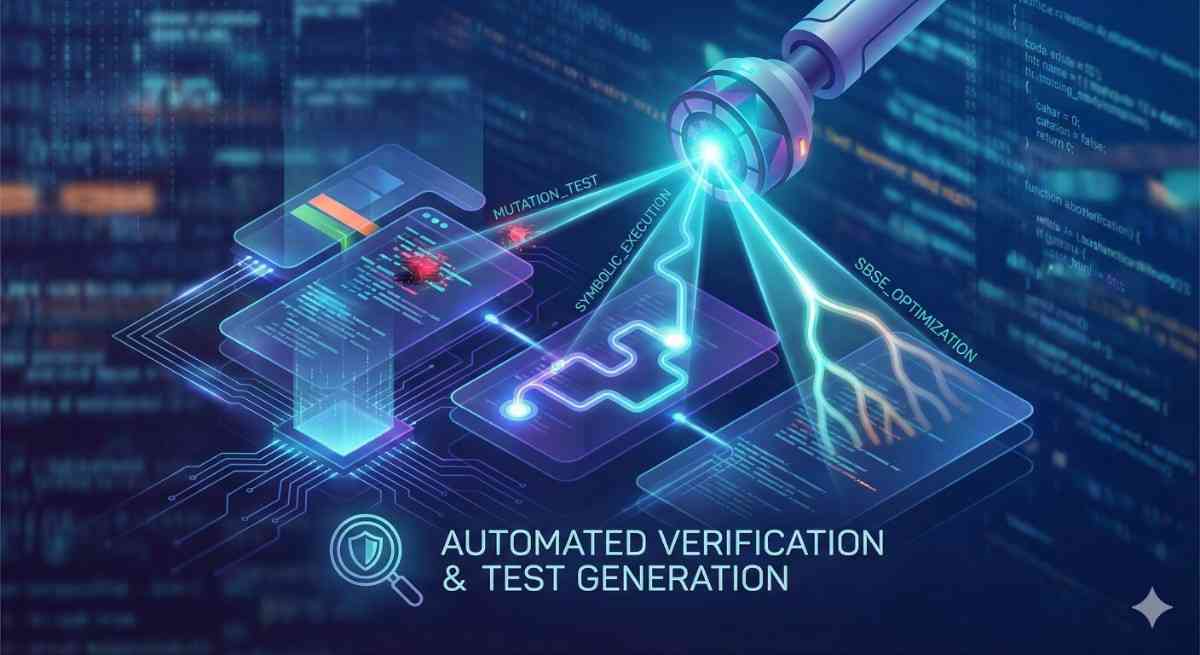
Software engineers often treat testing as a chore—a box to check before deployment. However, digging deeper into Automated Software Engineering reveals that testing is less about writing assertions...
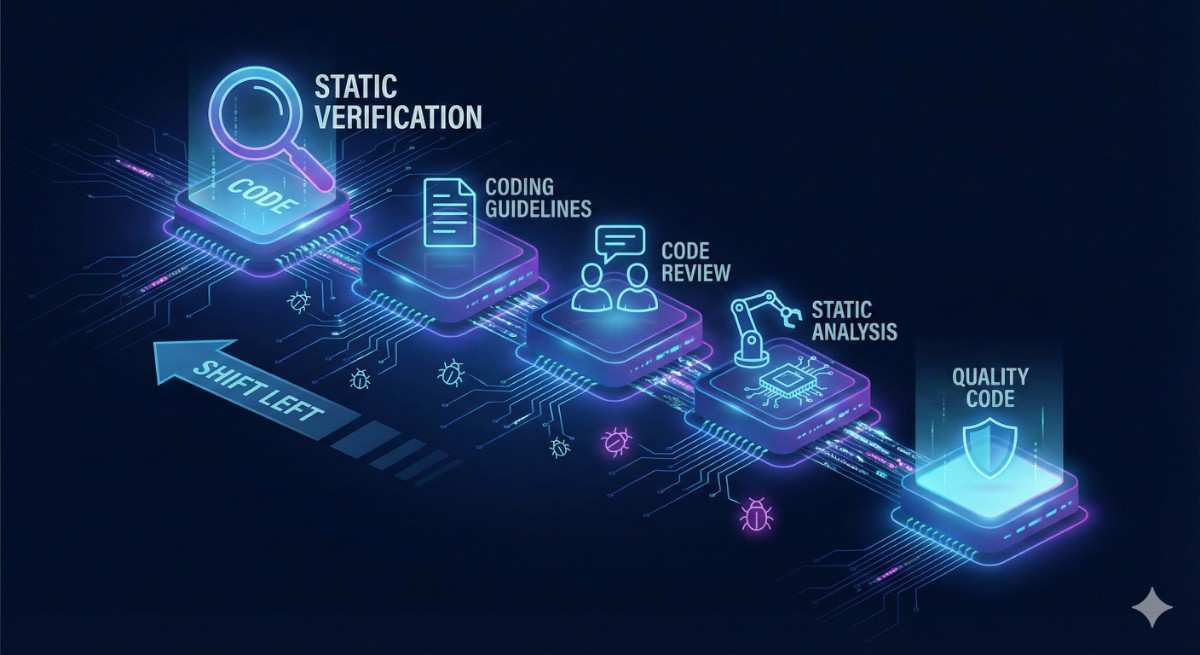
In the modern software development lifecycle (SDLC), the cost of fixing a bug grows exponentially the later it is discovered. A defect found in production might cost 100x more to fix than one found...

As penetration testers and software engineers, we often obsess over dynamic attacks—SQL injection payloads, XSS vectors, and runtime exploits. But what if you could catch the vulnerability before t...

As penetration testers and software engineers, we spend a lot of time breaking things. We write unit tests, we run fuzzers, and we manually hammer APIs looking for edge cases. But there is always ...
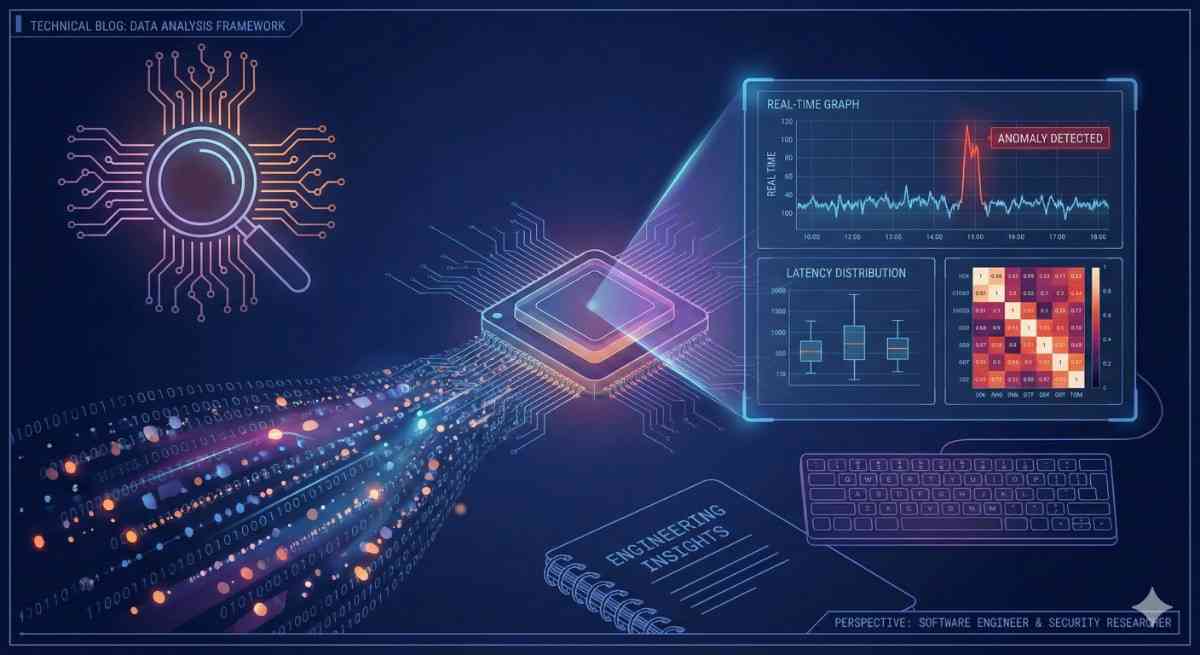
In our field—whether you are debugging a distributed system, hunting for security anomalies, or optimizing software performance—we are often drowning in data but starving for insights. "Data Analys...

The landscape of software development tools is undergoing a fundamental shift. For decades, our “intelligent” tools—IDEs, linters, and refactoring engines—were built on deterministic logic. Today, ...